

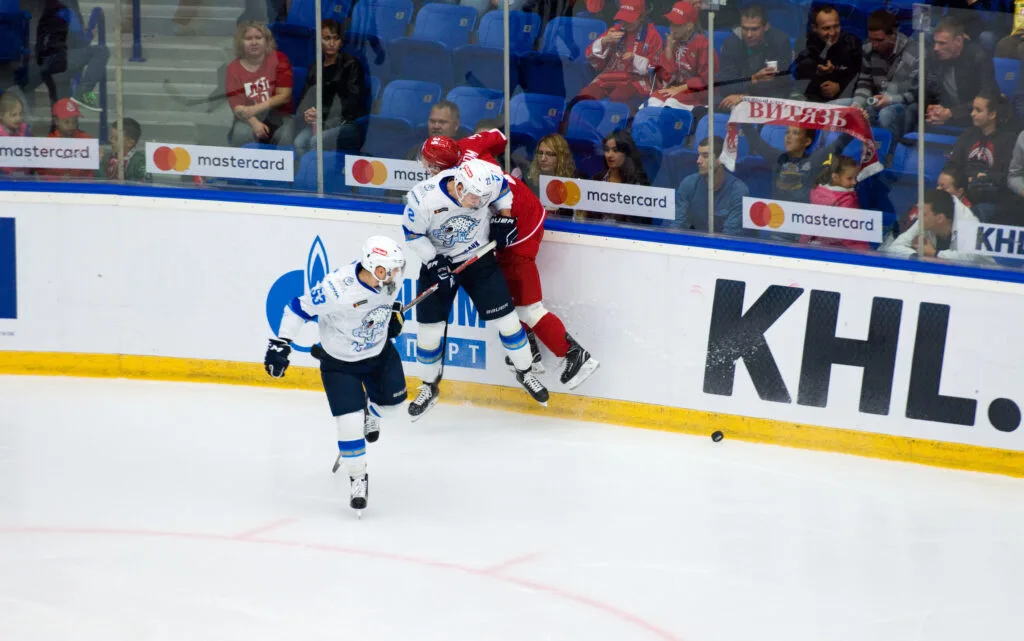
What is Boarding in Hockey? Understanding the Rules and Penalties
Ever seen a hockey player get smashed into the boards and wondered, “Is that even allowed?” Well, that’s boarding for you – a minor penalty and big no-no in hockey. It’s when a player checks or shoves an opponent into the rink boards with way too much oomph. Dangerous? Absolutely! That’s why it’s a major penalty. It’s all about how hard and how the player gets hit.
Boarding Penalties in Hockey: Severity and Consequences
So, what makes a turns basic body checks an opponent into a boarding call? It’s all about the “unnecessary roughness.” Refs look at how far apart players are, the speed and force of the check, and how the player smacks into the. If it’s a sneaky hit from behind or the player can’t brace for impact, the refs will be reaching for their whistles faster than you can say “penalty!”
Boarding in hockey is a serious infraction that can have significant consequences for both the offending player and the safety of the game. When a player is penalized for boarding, it means they have forcefully checked or pushed an opponent into the boards in a way that poses a risk of injury. The severity of boarding penalties can vary, ranging from a minor penalty to a major with potential ejection from the game, depending on factors such as the force of the hit and the vulnerability of the being checked.
Key Points to Recognize Boarding in Hockey:
- A vulnerable or defenseless opponent. (a defenseless position or vulnerable position)
- Hits the opponent excessively.
- Distance traveled before check delivered.
- The player intentionally pushes trips or body checks an opponent into the boards violently.
The Consequences of a Boarding Penalty in Hockey
The penalty is no joke. Players could get a two-minute minor, a five-minute major, or even get booted from the game. Imagine a full-match penalty, like a red card in soccer. Yep, a game misconduct penalty.
And for a really bad boarding penalty cases? A game misconduct penalty may only be the beginning. Think suspensions or fines. The league doesn’t mess around with player safety.
Why Boarding in Hockey is Crucial for Player Safety
Its a headache for everyone because it can lead to nasty injuries – think concussions or worse. That’s why everyone from players to leagues is super focused on cutting down these incidents. Keeping players safe is key to keeping the game awesome.
Keeping Kids Safe: Youth Hockey Boarding Penalty Regulations
For the young guns learning the ropes, staying safe is crucial. Coaches drill into them the importance of playing nice and respecting their opponents. Youth leagues aren’t playing around either – they’ve got stricter rules and heftier penalties for boarding.
I remember being boarded in a youth hockey game when I was around 8 or 9 years old. My Mom still talks about it because she said she wasn’t sure if I was going to get up. I had my head down digging out the puck from the boards. Suddenly the player delivering the hit knocked me square in the numbers.
Talk about being knocked dangerously into the boards. I just remember a strain in my neck and then laying on the ice. The opposing player was ejected from the game, but I wasn’t allowed to play the rest of the game either for safety. We didn’t really have concussion protocols yet in the 1980’s, but they still weren’t taking any chances.
NHL’s Perspective on Boarding Penalties


In the big leagues like the NHL, boarding is a serious no-fly zone. The NHL’s Department of Player Safety keeps a close eye on these penalties and isn’t shy about slapping on extra punishments to keep things clean. The league has been cracking down on these types of illegal hits that put a very vulnerable or defenseless opponent or player at risk of serious injuries.
The Boarding Controversy: Fans and Players Share Their Views
Ask around, and you’ll get mixed feelings about boarding. Some say it’s part of hockey’s rough charm, while others are all for tougher rules to keep players out of harm’s way. It’s a hot topic as the sport evolves.
Understanding Boarding: Beyond a Hockey Penalty
Boarding isn’t just a rule; it’s about player safety and the spirit of the sport. Getting it right is crucial for everyone from newbies to pros to fans. As hockey grows, so do the strategies to keep boarding in check.
The hardest part of understanding the penalty is the fact that it is at the discretion of the referees for each individual hit. They have to decide whether the player was considered defenseless as well as whether the impact with the boards warrants the call. Additionally, they could be assessed with a two-minute minor penalty or a five-minute major penalty. A game misconduct accompanies the major penalty.


Enhance Your Hockey Knowledge
Dive deeper into hockey rules and safety on the official websites of major hockey leagues, like the NHL, and player associations. They’re your go-to for everything you need to know about boarding and the game.
Common Questions About Boarding in Hockey Penalties
What Exactly is Boarding in Hockey?
Boarding is when a player hits an opponent into the boards with too much force. It’s dangerous and a big penalty.
How Do Refs Decide if It’s A Boarding Penalty?
They check how hard the hit was, how far apart the players were, and how the player hit the boards. Sneaky hits from behind are a big red flag.
when a player pushes a player with open palm is it consider boarding?
Pushing a player with an open palm alone is not typically considered boarding in hockey.
Why is Boarding a Concern for Player Safety?
It can cause serious injuries like concussions. Keeping players safe is a top priority.
How is Boarding Handled in Youth Hockey?
Coaches teach safe play, and leagues have stricter rules and penalties to discourage boarding even if only trying to. get the puck.
What Role Does Equipment Play in Preventing Boarding Injuries?
Proper, well-fitted equipment like helmets and pads can really help reduce injury risks.
How Serious is Boarding in Professional Hockey?
Very serious. The NHL and other pro leagues monitor it closely and can impose additional penalties.
What Do Fans and Players Think About Boarding?
Opinions vary. Some see it as part of the game, while others want stricter rules for safety.
Where Can I Learn More About Hockey Rules and Safety?
Check out the official websites of major hockey leagues and player associations for detailed info.
what does body checks an opponent mean?
body check in hockey refers to the legal act of using physical contact to impede an opponent, either to gain possession of the puck or to disrupt their play. It is a fundamental part of the game when executed within the established rules and guidelines.
What is the referee sign for boarding penalty?
The referee signal for boarding in hockey is an extended arm with the palm facing down, indicating a horizontal pushing motion.
How can an opponent causing boarding be penalized?
No, boarding refers to the actions of the player delivering the hit, not the defenseless player receiving it. Boarding occurs when a player forcefully checks or hits an opponent, causing them to be thrown violently into the boards, and it is the aggressor who may be penalized for this infraction.