


Hooking in Hockey: A Humorous Insight into the Game’s Craftiest Penalty
What is a hockey Hooking penalty?
“What is hooking in hockey?” you might ask. Well, it’s not about catching fish on the ice. Hooking in hockey is a clever yet risky maneuver where a player uses their stick to impede an opponent’s progress.
Understanding hooking in hockey is crucial for fans and players alike. It’s like knowing the offside rule in soccer – essential for appreciating the game’s subtleties.
Ice hockey is a sport celebrated for its speed, skill, and the occasional bone-crushing body check. Yet, amid the flurry of skates, sticks, and pucks, one penalty stands out for its craftiness – hooking. In this article, we’ll take a lighthearted journey into the world of hooking in hockey, exploring its nuances, the artistry behind the infraction, and the humorous side of a penalty that often leaves players and fans alike scratching their heads.
The Art of the Hook: Unraveling the Craftiness
Hooking, in the realm of hockey penalties, is a subtle dance between stick and opponent, a clandestine attempt to disrupt the flow of the game without the brute force of a body check or the aggression of a slash. Picture this: an unsuspecting opponent glides down the ice, a vision of determination with puck in tow. Enter the crafty hooker, not of the street’s clandestine variety but a player with a stick in hand and mischief in mind.
The hooker’s weapon of choice? A hockey stick – that seemingly innocent piece of equipment designed for scoring goals, making precision passes, and occasionally, creating the perfect storm of penalty-worthy chaos. With a sly maneuver, the hooker discreetly places the blade of their stick around an opponent, ensnaring them in a subtle but effective trap. The objective? To hinder the opponent’s progress, throw them off balance, and perhaps even make them question their life choices leading up to that fateful moment on the ice.
While some may argue that hooking is an art, a finesse move that requires skill and precision, others might see it as a crafty act of subversion against the sanctity of fair play. The skilled hooker knows how to execute their plan with just the right amount of subtlety, avoiding the keen eyes of referees while creating chaos on the ice. It’s a penalty that walks the fine line between cunning strategy and outright deception, and therein lies the humor – the absurdity of trying to get away with a foul play that’s as sneaky as it is entertaining.
Decoding the Comedy of Hooking:
In the grand tapestry of hockey penalties, hooking has its own comedic flair. Picture the perplexed look on a player’s face as they feel the gentle tug of an opponent’s stick, like a fish nibbling at the bait. The comedic element of hooking lies in the absurdity of the act – the idea that a seemingly innocuous stick can be wielded with such mischievous intent.
Imagine the conversations in the box, where the hooker sits in temporary exile, pondering the life choices that led them to this moment. It’s a unique blend of frustration and amusement, a testament to the cat-and-mouse game played on the ice. And let’s not forget the theatrical embellishments that sometimes accompany a hooking penalty – the exaggerated stumble, the flailing arms, and the indignant expressions, all adding a touch of comedic drama to the proceedings.
Furthermore, hooking penalties often lead to strategic power-play situations, creating a humorous twist of fate. The team that falls victim to the hooking infraction suddenly finds themselves with an opportunity to turn the tables. It’s the cosmic joke of hockey – the crafty hooker inadvertently setting the stage for their own team’s adversity. In these moments, the major penalty box becomes a stage for both comedy and tragedy, with players serving time and fans enjoying the unpredictable narrative unfolding before them.
The Unwritten Rules of Hooking: A Code of Conduct for the Crafty
- While hooking may seem like a straightforward penalty, there’s an unspoken code of conduct among those who choose to dance on the edge of deception. The crafty hooker must possess a delicate balance of subtlety and audacity, knowing when to execute their plan and when to retreat into the shadows before the watchful eyes of the officials catch on.
- One unwritten rule of hooking is the timing – a well-timed hook can disrupt an opponent’s play without raising suspicions. It’s a delicate dance, a choreography of stickwork and evasion that requires finesse and a touch of the dramatic. The crafty hooker must also be a master of disguise, concealing their intentions behind the chaos of the game. A casual observer might mistake a well-executed hook for incidental contact, further adding to the allure of the penalty’s craftiness.
- Another aspect of the hooking code is the element of surprise. A successful hook often catches the opponent off guard, leaving them bewildered and, dare we say, a tad embarrassed. It’s a psychological game as much as a physical one, where the crafty hooker gains an upper hand through wit and cunning rather than sheer force.
- Lastly, the aftermath of a successful hooking maneuver is crucial. The artful hooker must seamlessly transition from mischief-maker to innocent bystander, deflecting attention with the nonchalance of a seasoned performer. It’s all part of the craft, a game within the game where players navigate the blurred lines of sportsmanship and gamesmanship.

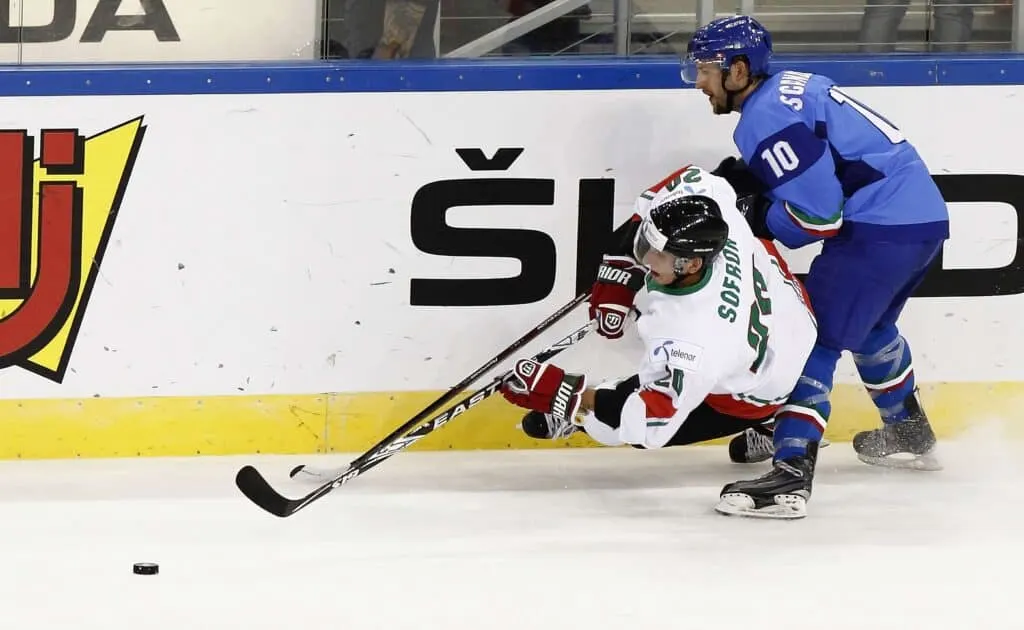
The NHL Rulebook on Hooking Penalties in Hockey
The hockey rulebook clearly states that hooking penalties in hockey are called when a player uses their stick to impede. This rule is integral to maintaining fairness and safety in the game.
The NHL rule book defines hooking as follows according to Rule 55, Section 55.1: “Hooking is the act of using the stick in a manner that enables a player or goalkeeper to restrain an opponent.” It also clarifies that when a player is checking another in such a way that there is only stick-to-stick action is not to be penalized as hooking.
This definition emphasizes the use of the stick not merely in contact with an opponent’s body, but specifically in a manner that restrains them, differentiating it from legal stick-to-stick contact during play.
Mastering the Hockey Hooking Strategy
Mastering hockey hooking involves perfect timing and subtlety. It’s a fine line between a smart play and earning a minor penalty or even a major penalty.
Notable Instances of Hockey Hooking Penalties
From heated NHL matches to iconic international games, hooking penalties in hockey have left an indelible mark, sometimes altering the course of games.
- Wayne Gretzky’s Hook in 1987 Stanley Cup Playoffs: Gretzky, often considered the greatest hockey player of all time, was penalized for hooking Doug Gilmour of the Calgary Flames. This crucial penalty led to a Flames goal, but Gretzky’s team, the Edmonton Oilers, eventually won the series and the Stanley Cup that year.
- 1995 Stanley Cup Final – New Jersey Devils vs. Detroit Red Wings: The New Jersey Devils were criticized for their aggressive hooking tactics under coach Jacques Lemaire. Their defensive system heavily relied on hooking to slow down opponents, and despite the controversy, it was effective in helping them win their first-ever Stanley Cup
The Referee’s Take on Hooking Penalties
When it comes to a hooking penalty, referees must be vigilant and discerning, often making calls that can pivot the game’s direction. You will often see a pulling or tugging motion as a hooking action that will cause a referee signal of the hand in the air.
Wrapping Things Up
In the grand theater of ice hockey, hooking emerges as a crafty act, a penalty that transcends the mere physicality of the game. It’s a dance of sticks and skates, a subtle tug-of-war that adds a touch of humor to the intensity of the sport. The crafty hooker, with their sly maneuvers and comedic timing, becomes a character in the unfolding drama of the game, leaving fans, players, and officials alike to appreciate the absurdity and entertainment value of this craftiest of penalties. So, the next time you witness a player executing a perfect hook, take a moment to chuckle at the comedy woven into the fabric of hockey’s crafty underbelly. After all, in the world of hooking, the laughs are just as much a part of the game as the goals.
FAQs about Hooking Penalties in Hockey
What triggers a hooking penalty in hockey?
A player incurs a hooking penalty when they use their stick to impede an opponent’s movement, resulting in an unfair advantage. tugging motion
What are the consequences of a hooking penalty in hockey?
A hockey hooking penalty typically results in a player spending time in the penalty box, giving the opposing team a power play opportunity.
How do referees identify a hooking penalty in hockey?
Referees look for actions where a player’s stick is used to impede an opponent, making quick judgments based on the situation’s dynamics.
Can technology help identify hooking penalties more accurately?
Future advancements may assist in more accurately identifying hooking penalties in hockey, though human judgment remains crucial.
Is a hooking penalty considered a major or minor penalty?
A hooking penalty can be classified as a minor penalty not a major penalty or severe penalty, but repeated or severe offenses might escalate to such action as major penalties or even game misconduct turning to a more severe penalty.