


The Boston Bruins are a team with a storied history, revered by fans worldwide for their grit, passion, and iconic black-and-gold jerseys. Yet, their past is also marked by trades that fans wish had gone differently. These trades are a mix of poorly calculated moves, cap management decisions, and, sometimes, a lack of foresight. To be fair, none of these are nearly as terrible as The Curse of the Bambino, but Boston has solid reasons to scrutinize trades. Let’s dive into these moments, seeing how each trade left its mark on the franchise.
Phil Kessel Trade (2009)
In 2009, the Bruins made a bold move, trading Phil Kessel, a young, high-scoring winger, to the Toronto Maple Leafs. The Bruins received two first-round picks and a second-round pick in return. The picks became Tyler Seguin, Dougie Hamilton, and Jared Knight, which seemed like a solid return on paper. However, Kessel continued to be a reliable 30-goal scorer and went on to win two Stanley Cups with the Pittsburgh Penguins.
The Breakdown
- Kessel’s Scoring Potential: By 2009, Phil Kessel had established himself as one of the league’s top young scorers. At just 21, Kessel scored 36 goals with the Bruins, showing he could find the net frequently. His speed and accurate shots made him an important part of the team’s offense. Many fans viewed him as a key player for the future. Because of this, the Bruins’ decision to trade him surprised many fans.
- Toronto’s Gamble: Kessel’s move to the Toronto Maple Leafs allowed him to take a central role in their offense. Despite the pressure from the media and fans in Toronto, Kessel performed well and quickly became a regular 30-goal scorer. Over the years, he improved his game and won two Stanley Cups with the Pittsburgh Penguins, playing an important part in their back-to-back championships. Toronto immediately benefited from his skills, but the team struggled to build a strong roster around him during his time there.
- The Bruins’ Return: In exchange for Kessel, the Bruins received two first-round picks and a second-round pick from Toronto. These picks turned into Tyler Seguin, Dougie Hamilton, and Jared Knight. At first glance, this seemed like a strong return, especially with Seguin and Hamilton becoming promising young stars. However, Seguin and Hamilton were both traded away in subsequent years, and Knight never made an impact in the NHL. This series of moves left fans questioning the true value Boston gained from Kessel’s departure, as neither Seguin nor Hamilton reached their potential with the Bruins.
“Trading Phil Kessel felt like betting on a long shot at the racetrack—high hopes, but a lot of disappointment in the end.” – A Frustrated Bruins Fan
So what prompted this bold trade? Several theories still circulate among fans and analysts:
- A Focus on Future Depth: With Kessel entering restricted free agency and the Bruins facing potential cap issues, the front office may have prioritized depth over keeping one high-priced star. By trading Kessel for multiple high draft picks, management hoped to build a deeper, younger roster that could support the team’s sustainable future.
- Salary Cap Constraints: Kessel’s impending contract negotiations posed a dilemma for the Bruins, who were navigating a tricky salary cap situation. To avoid potentially paying a premium, Boston may have decided to get ahead of cap challenges by trading him for assets. However, while cap relief might have been a factor, fans still debate whether the Bruins gained enough to justify losing a player of Kessel’s caliber.
- Off-Ice Concerns: Rumors swirled around Kessel’s trade, with speculation about the front office’s concerns over his compatibility with the Bruins’ system and locker room culture. Some believe that personality and lifestyle differences led to the decision, although these remain theories and haven’t been confirmed by management.
The debate remains whether the Bruins truly capitalized on Kessel’s value. While Seguin and Hamilton brought potential, they were eventually traded as well, leaving fans questioning if Boston ever really reaped the full rewards of this trade.
The Joe Thornton Trade (2005) – A Captain Exchanged
Few trades have shaken the Bruins like the decision to trade Joe Thornton to the San Jose Sharks in 2005. Thornton, a former first overall pick and team captain, was sent to San Jose for Marco Sturm, Brad Stuart, and Wayne Primeau. The move was meant to address what management saw as issues with the team’s chemistry and playoff performance. However, Thornton’s talent was undeniable, and many fans were outraged to see him go.


The Breakdown:
- Thornton’s Brilliance: Before his departure, Thornton was already establishing himself as a powerhouse in the league. In his last full season with the Bruins (2003-04), he tallied an impressive 80 points, including 23 goals and 57 assists. His vision on the ice and playmaking abilities were unmatched—a true franchise player.
- San Jose Stardom: After donning a Sharks sweater, Thornton blossomed into an elite center, ultimately winning the Hart Trophy as MVP just two seasons later. His career took off like a rocket ship—meanwhile, the Bruins were left with some solid players but no superstar to rally around.
- The Aftermath: While Sturm contributed with decent numbers during his time in Boston, neither he nor Stuart could ever fill that gaping hole left by Thornton’s absence. It’s almost poetic how sometimes you don’t know what you’ve got until it’s gone—like finding out your favorite TV show has been canceled.
“Trading Joe Thornton was like giving away a winning lottery ticket without even scratching it.” – A Disheartened Bruins Fan
So what led to this fateful decision? Here are some theories that fans and analysts alike continue to ponder:
- A Shift in Strategy: The Bruins had experienced a string of disappointing playoff runs leading up to this trade. Management may have thought that moving on from their star player could help reenergize the squad—as if trading away their captain would magically fix everything.
- Salary Cap Considerations: With looming contracts and rising salaries on the horizon (you can never escape those pesky salary cap implications!), they might have felt compelled to create some financial wiggle room—though trading away your captain doesn’t quite scream “financial flexibility.”
- A New Direction?: The acquired players had shown promise; Sturm was coming off strong seasons while Stuart was solid defensively. But in hindsight, many fans would argue that no amount of “potential” could ever measure up to having an established star like Thornton on your roster.
Thornton thrived with the Sharks, winning the Hart Trophy as the NHL MVP in his first season with San Jose, where he led the league in points. Meanwhile, Boston struggled to replace Thornton’s scoring and leadership. The trade is now seen as one of the most lopsided deals in NHL history, as none of the players Boston received made a comparable impact.
Tyler Seguin Trade (2013) – A Young Star Sent Packing
The Bruins drafted Tyler Seguin second overall in 2010, and he quickly showed immense potential. However, after some inconsistency and rumored off-ice issues, the Bruins traded Seguin to the Dallas Stars in 2013 for Loui Eriksson, Reilly Smith, Matt Fraser, and Joe Morrow. Seguin flourished in Dallas, developing into one of the league’s top scorers, while Eriksson and the others couldn’t fill the gap Seguin left in Boston. It was like trading your smartphone for a flip phone—sure, it was a good phone, but come on!


The Breakdown:
- Seguin’s Potential: At just 21 years old, Seguin had already showcased his immense talent with 16 goals and 32 points in just 46 games during the 2012-13 season. He was on the brink of stardom in the Boston Bruins roster.
- Success in Dallas: After joining the Stars, Seguin didn’t just find his feet—he sprinted into stardom. He became one of the NHL’s top scorers, consistently hitting the 30-goal mark and even surpassing 40 goals in one season! Meanwhile, Eriksson’s contributions felt more like background music than a headlining act.
- Long-Term Impact: While Eriksson had some decent moments in Boston, he ultimately never matched Seguin’s offensive prowess. This trade is now frequently labeled one of the most regrettable decisions in Bruins history.
“Sometimes you have to let go of something good to grab something better… but man did they drop the ball on this one!” – Disgruntled Bruins Fan
So what prompted this eyebrow-raising move? Here are some theories that fans have thrown around like a hot potato:
- Off-Ice Concerns: Rumors about Seguin’s lifestyle choices created apprehension within management. It’s hard to say if those worries were justified or if they were simply looking for an excuse to move him.
- Salary Cap Squeeze: With rising player salaries lurking on the horizon like a shark waiting for its next meal, management might have thought they needed Eriksson’s contract flexibility moving forward. Spoiler alert: it didn’t quite pan out!
- The “Win-Now” Mentality: The pressure after their Cup run may have led management to prioritize immediate improvements over keeping their star player—a decision many still scratch their heads over.
This trade remains firmly planted on lists of “What were they thinking?” as fans often speculate about how different things might be now if Seguin had remained with the Boston Bruins. Picture this: an electrifying lineup featuring Seguin alongside today’s stars lighting up TD Garden! Fireworks would be an understatement!
The saga serves as a valuable lesson for both fans and management alike: sometimes holding onto your superstars is far more crucial than chasing after what appears shiny on paper. As we look toward future trades or dissect current happenings through our beloved sport lens, let’s hope lessons from this infamous transaction resonate loudly—because you never know when your next potential legend is right under your nose!
Adam Oates Trade (1997)

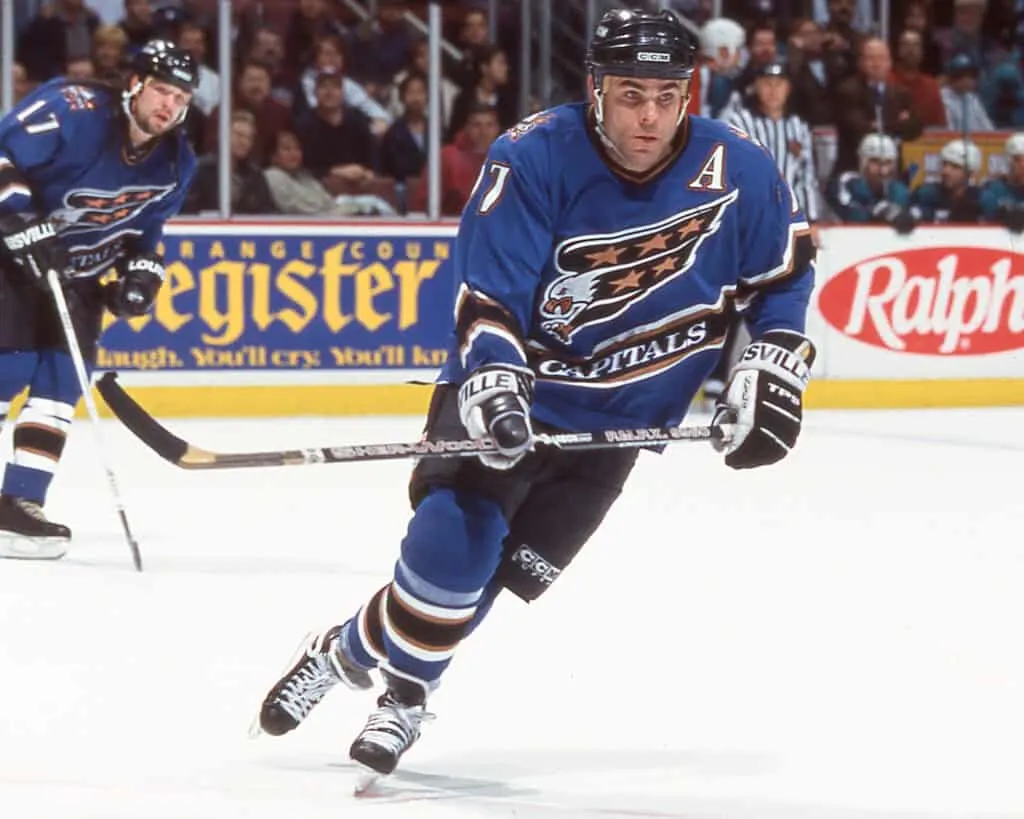
Adam Oates was one of the NHL’s elite playmakers, known for his incredible vision and passing ability. In 1997, the Bruins traded him to the Washington Capitals in a deal that brought Jason Allison and Jim Carey to Boston. While Allison showed potential, he never reached Oates’ level. Oates went on to have several successful seasons with Washington, and Boston was left without a top-tier playmaker.
The Breakdown:
- Oates’ Playmaking Wizardry: At the time of his trade, Adam Oates was rapidly establishing himself as one of the league’s elite playmakers. With an impressive 45 assists in his last season with Boston, he had a knack for threading passes like a skilled seamstress—making even the toughest plays look effortless.
- Success After Departure: After heading to Washington, Oates continued to excel, racking up All-Star appearances and finishing his career with over 1,400 points. Talk about making your old team regret their life choices!
- The Return Value: While Middleton was certainly a solid player during his time with Boston, he never quite matched Oates’ flair for setting up goals—making this trade feel like trading away your favorite concert tickets for just a night at home.
“Trading Adam Oates is like trading your best spoon; you can eat soup without it, but it just won’t be as good.” – A Nostalgic Bruins Fan
This trade raises some eyebrows when we consider what might’ve influenced such a baffling decision:
- Salary Cap Woes: The early ’90s were chaotic for NHL teams trying to balance their finances. Perhaps moving Oates seemed like a strategic financial maneuver at the time—though hindsight makes that reasoning look questionable.
- Differing Coaching Philosophies: It’s possible that coaching preferences leaned toward rough-and-tumble play rather than finesse. If your game plan revolves around hitting rather than scoring, trading away one of your top playmakers might seem logical on some level—even if it doesn’t make sense in real life.
- Mismatched Team Chemistry: Sometimes players just don’t gel—and maybe management felt that other players could better complement their vision without Oates’ creative flair getting in the way. But let’s be honest: who wouldn’t want a magician on their team?
The trade highlighted the dangers of letting go of an established star for potential future talent. Losing Oates meant Boston lost one of the league’s premier assist leaders, and he continued to excel after leaving Boston, tallying over 1,400 points by the end of his career.
Ray Bourque’s Departure to Colorado (2000) – Chasing a Championship Dream
Ray Bourque’s trade to the Colorado Avalanche is unique in Bruins history. After 21 seasons with Boston, Bourque was traded to the Avalanche to give him a chance at winning the Stanley Cup. The Bruins received Brian Rolston and a first-round pick in return, but it was more of a goodwill gesture than a strategic move.

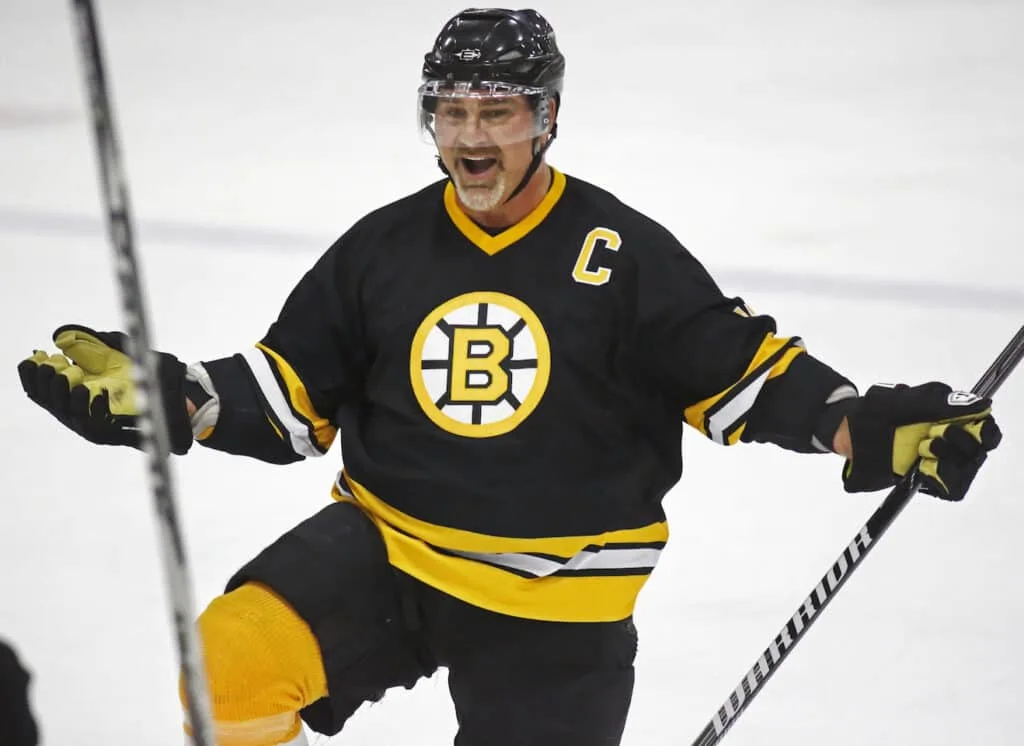
Let’s break down Bourque’s incredible journey and the aftermath of his departure:
- Ray Bourque’s Legacy: With over 1,500 points in his career (the most by a defenseman), Bourque was not just good; he was phenomenal. He was a franchise player, a six-time Norris Trophy winner, and a key figure in bringing the Bruins to playoff contention year after year.
- The Unfortunate Trade: In March 2000, after years of loyal service and numerous near-miss playoff runs, Bourque was traded to the Avalanche for a package that included first-round picks and young prospects. Many viewed this as an act of goodwill—allowing him to pursue his championship dream. But let’s be honest: what kind of organization trades away its heart and soul?
- Bourque’s Impact Post-Trade: After joining Colorado, Bourque finally lifted the Stanley Cup in 2001—all while wearing another team’s colors. That moment left many fans feeling bittersweet; joy for Bourque but sorrow for what could have been had he hoisted it as a Bruin.
“I always dreamed about winning the Cup with the Boston Bruins—I didn’t want to leave.” – Ray Bourque
So why did management make this decision? Here are some thoughts:
- Age and Performance Concerns: As Bourque aged, there were concerns about his ability to maintain elite performance levels. However, even in his later years, he proved that age is just a number—playing at an incredibly high level until he left Boston.
- A Shift in Team Philosophy: The front office might have believed that rebuilding around younger talent was essential for future success—a plan that may have sounded great on paper but faltered once they saw what happened post-Bourque.
- Fan Sentiment: While some fans understood the move as selfless, others felt betrayed. A superstar like Bourque deserves more than being traded off; he deserved a farewell tour filled with gratitude from fans—a fitting end to an incredible chapter!
Fans were both heartbroken and supportive as Bourque finally lifted the Stanley Cup with Colorado in 2001. While the trade was bittersweet, it serves as a reminder of Bourque’s loyalty and the emotional connection fans have to their franchise icons.
Phil Esposito Trade (1975)

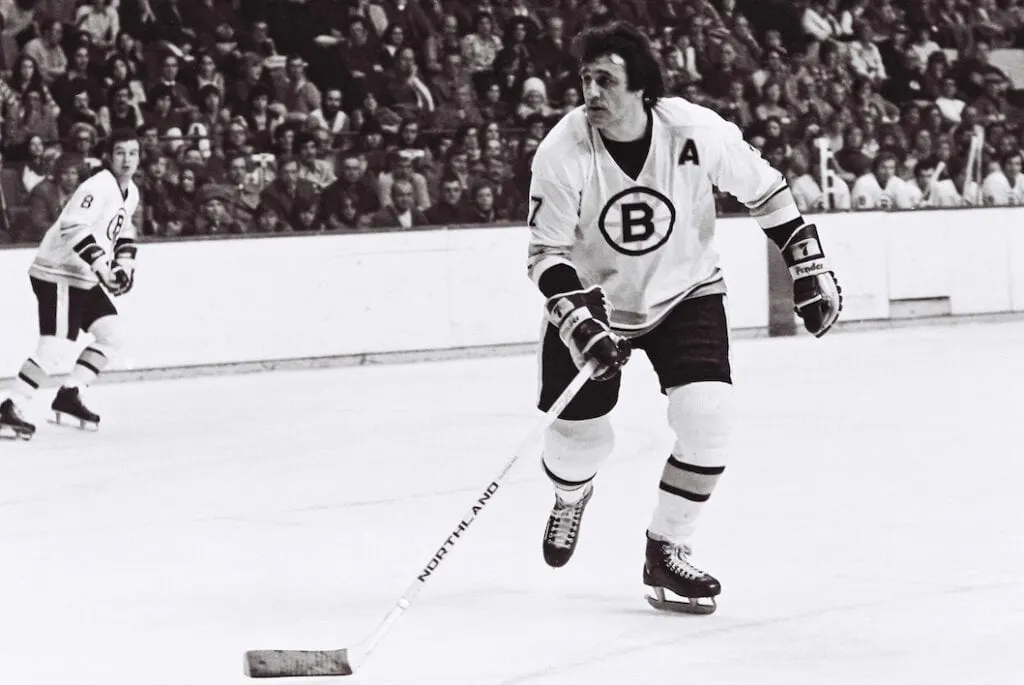
Phil Esposito was a key figure in the Bruins’ powerhouse teams of the early ’70s, so trading him to the New York Rangers shocked the hockey world. Esposito, one of the NHL’s top scorers, was sent to New York for Brad Park and Jean Ratelle. Although Park and Ratelle were quality players, they couldn’t match Esposito’s scoring impact.
The trade remains controversial, as many fans felt Esposito’s value was irreplaceable. Losing such a prolific goal-scorer altered the team’s dynamics and left a lasting impact on Boston’s offensive identity.
Ken Dryden’s Rights Trade (1971)


One of the biggest what-ifs in Bruins history is the trade of Ken Dryden’s rights to the Montreal Canadiens. Before he played an NHL game, Dryden was traded, eventually becoming one of the greatest goalies in history and leading Montreal to six Stanley Cups. Dryden’s dominant presence in goal could have been a game-changer for Boston, making this trade a sore spot in the franchise’s history.
Reggie Leach Trade (1974)
In 1974, the Bruins traded Reggie Leach to the Philadelphia Flyers, where he developed into a premier goal-scorer and won the Conn Smythe Trophy as playoff MVP. Leach’s potential had been evident, but the Bruins missed the chance to cultivate his talent, adding to the list of trades where the team let a future star slip away.
Shawn McEachern Trade (1996)
Speedy winger Shawn McEachern was traded in 1996, just as he was entering his prime. He went on to find success with other teams, particularly the Ottawa Senators, where his speed and scoring ability made him a valuable asset. McEachern’s trade reflected Boston’s impatience in developing young players and cost them a key player who could have bolstered their lineup in the late ‘90s.
Other Noteworthy Trades
- Tom Fergus Trade: Trading Fergus to Toronto left Boston with a scoring void.
- Randy Burridge to Washington (1992): Burridge was a dependable scorer, and his departure weakened the team’s offensive depth.
- Don Sweeney to Dallas: Sweeney’s trade left a gap in Boston’s defensive core that was felt for seasons afterward.
Conclusion
These trades are a testament to the high stakes involved in building a successful hockey team. Each trade represents a moment when the Bruins took a risk that didn’t pan out as hoped. For fans, these trades are part of the team’s identity, woven into its history of triumphs and trials. The lessons are clear: sometimes holding onto talent is worth more than any trade return, and the value of a franchise player can’t always be measured by stats alone.
Frequently Asked Questions (FAQs)
- What’s the most regrettable Bruins trade?
- The Joe Thornton trade is often seen as the most regrettable, as Thornton achieved MVP status with San Jose.
- How did the Phil Esposito trade impact the Bruins?
- Losing Esposito impacted Boston’s offensive strength, as he was a leading scorer and fan favorite.
- Why was Tyler Seguin traded?
- Concerns over off-ice issues and management’s focus on immediate results led to his trade, though many consider it a mistake.
- What impact did Ken Dryden’s trade have?
- By trading Dryden’s rights to Montreal, the Bruins lost a Hall of Fame goaltender who could have changed their defensive history.
- Do these trades affect the current team’s strategy?
- These trades remind management to be patient with talent and prioritize long-term impact over short-term gains.